-
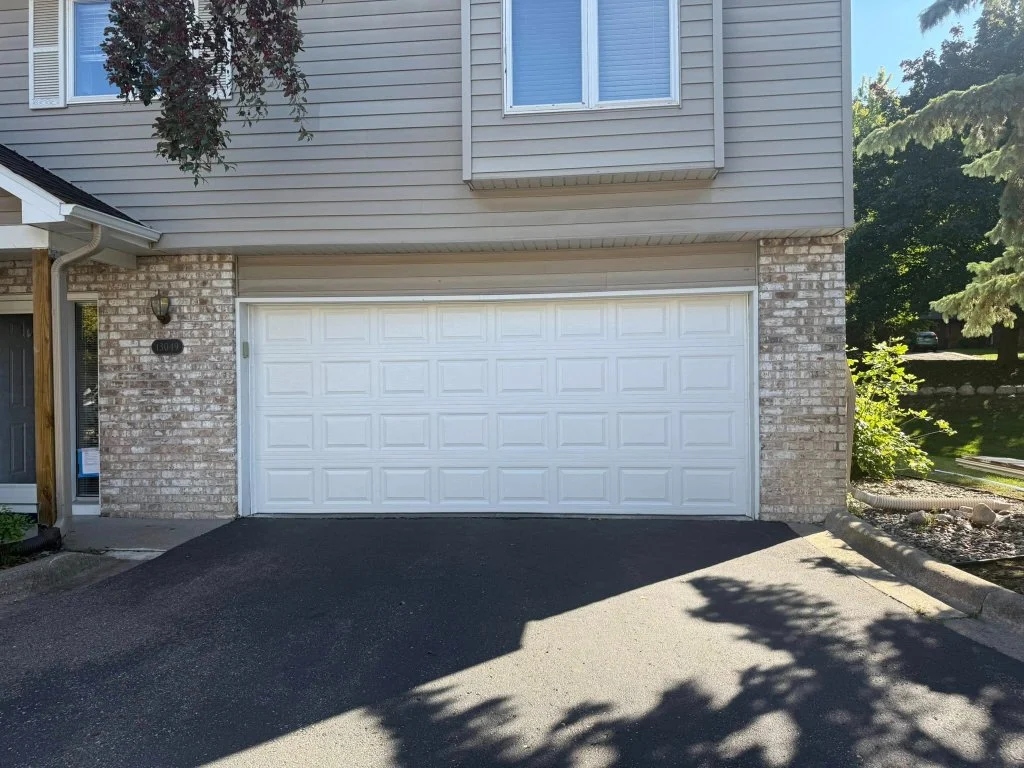
Emergency Garage Door Repair: When to Call and What to Expect Overnight
A same-night call is the right move when the door is stuck open and the house is unsecured, when the door came off its track, or when a spring broke with the car trapped inside. Here is how to tell whether your situation qualifies and what to do until a technician arrives.
-
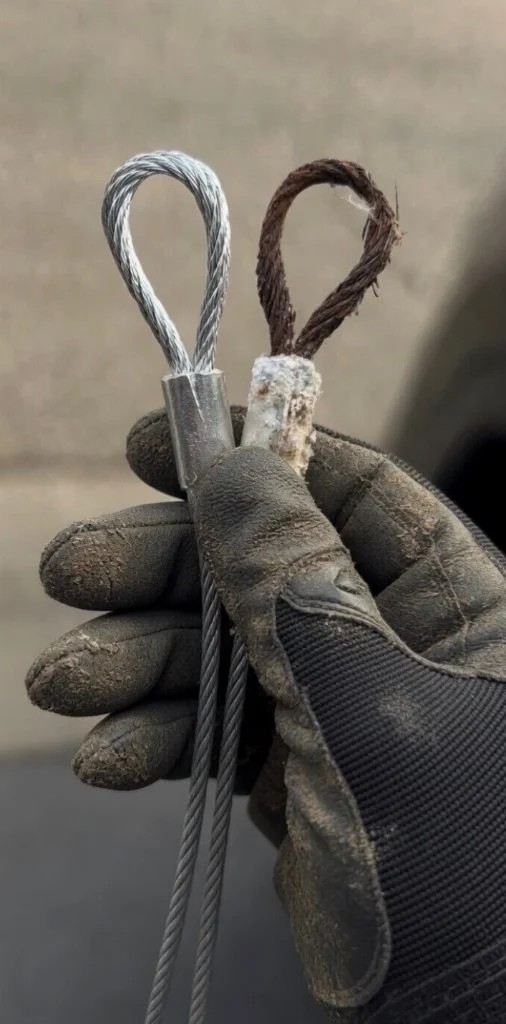
Garage Door Cable Drum: Signs It Needs Replacing and What the Job Involves
The cable drums at the top of your garage door wind the lift cables as the door opens. Here is how to spot a drum that is failing, what damages it in a Minnesota winter, and what the replacement job involves.
-
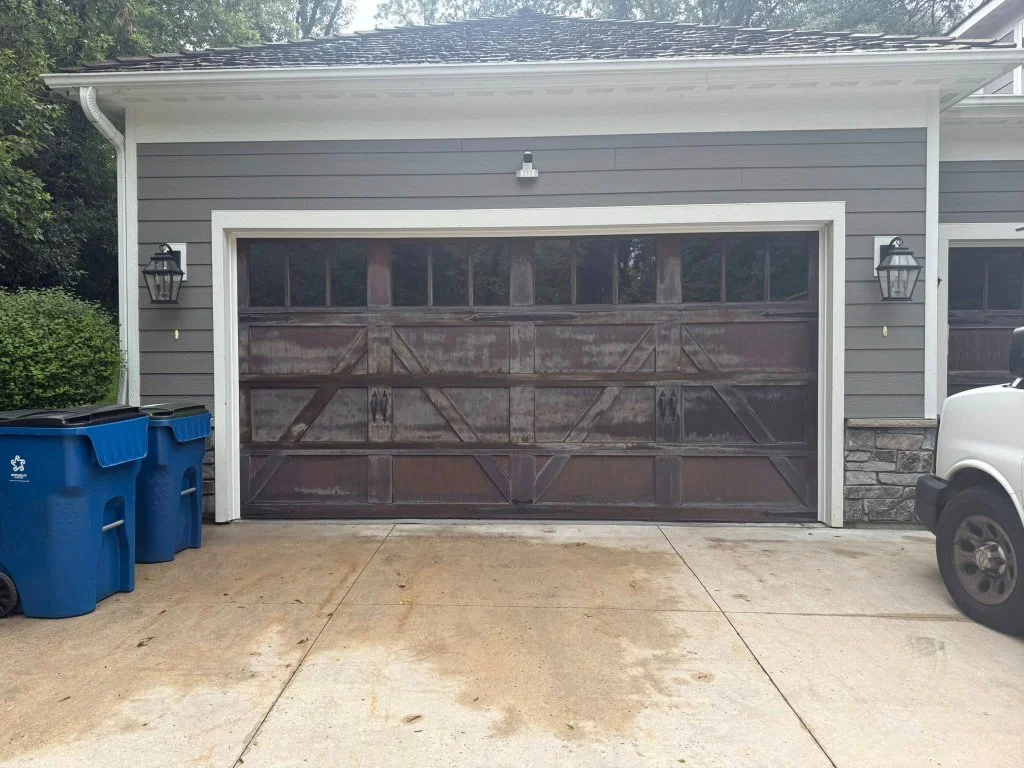
Garage Door Opens by Itself: Why It Happens and What to Check
A garage door that opens on its own usually traces to one of a handful of causes: a stuck remote, a neighbor's paired device, a wiring fault at the wall button, or a sensor that stops the door from fully closing. Here is how to tell them apart.
-
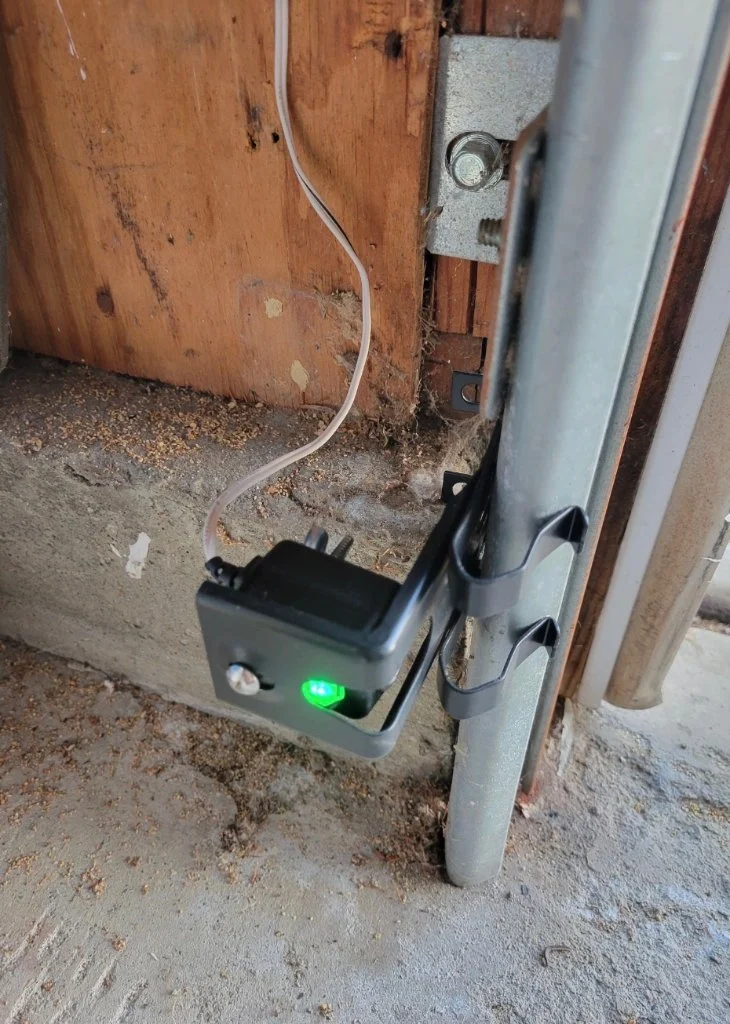
LiftMaster Garage Door Opener Troubleshooting: What the Flashing Lights Mean
LiftMaster openers blink in specific patterns to signal each fault, from sensor misalignment to a low battery backup. Here is what each signal means and which ones you can fix yourself.
-
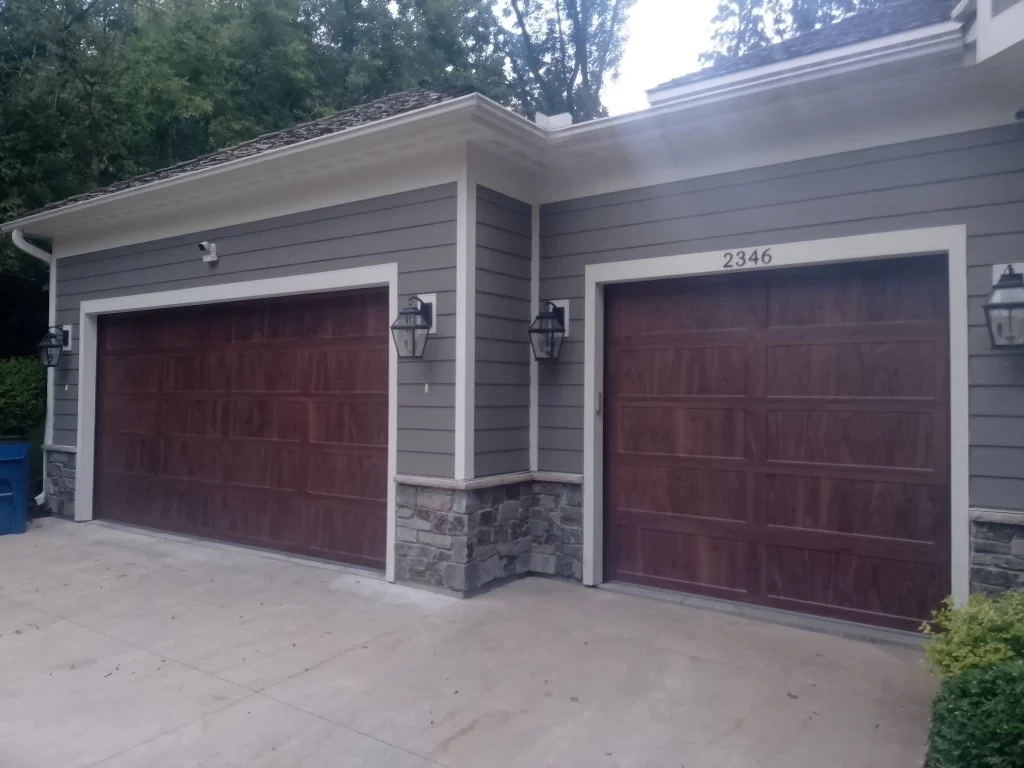
How to Reprogram a Garage Door Remote: Step-by-Step for LiftMaster, Chamberlain, and Genie
Reprogramming a garage door remote takes under a minute on most modern openers. Press the Learn button on the motor head, then press the button on the remote until the opener responds. Here are the steps for LiftMaster, Chamberlain, Genie, and older dip-switch models.
-
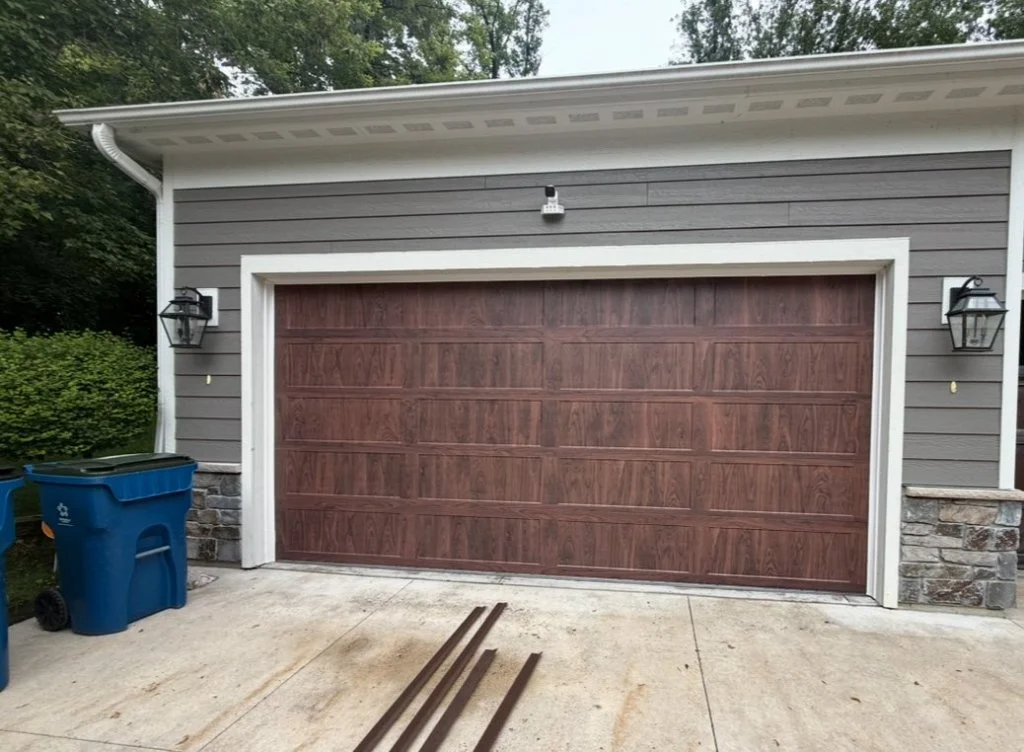
Garage Door Won't Stay Open: Why It Falls and What to Fix
A garage door that falls back down or stops halfway almost always comes down to springs or the opener's travel limit. Here is how to tell which one and what is safe to try yourself.
-
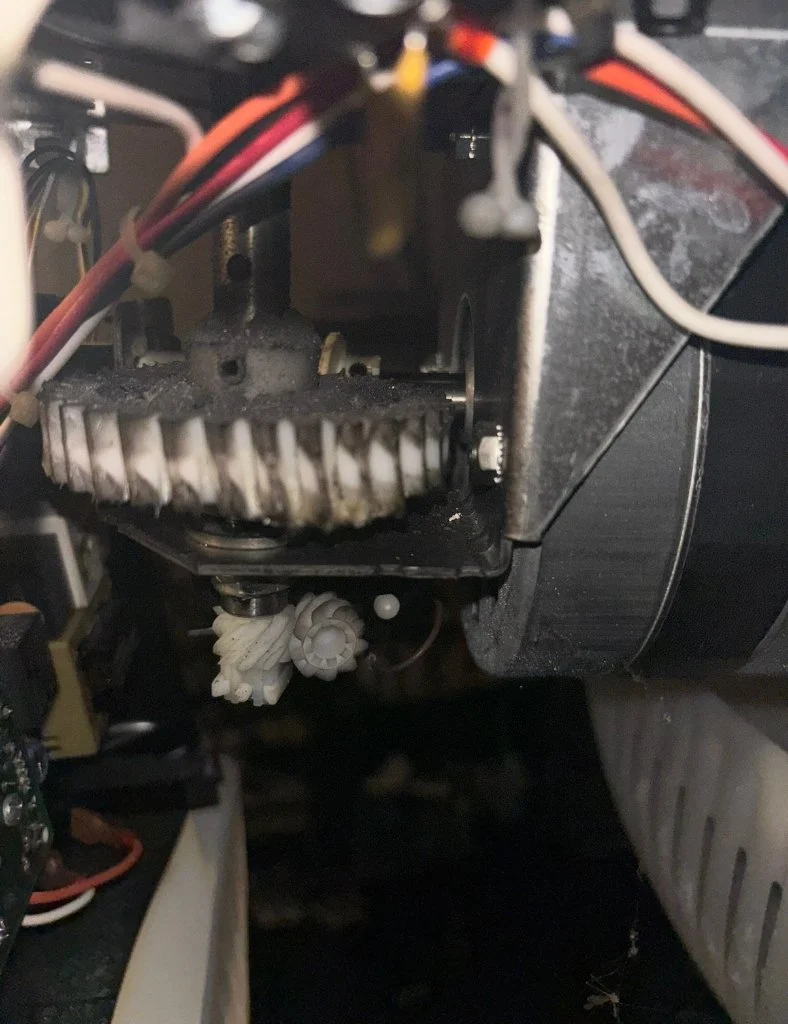
Garage Door Reverses Before Closing: Causes and What to Check
A garage door that reverses before it closes is usually a sensor, a close-force setting, or a close-limit setting. Here is how to tell which one and what to do about each.
-
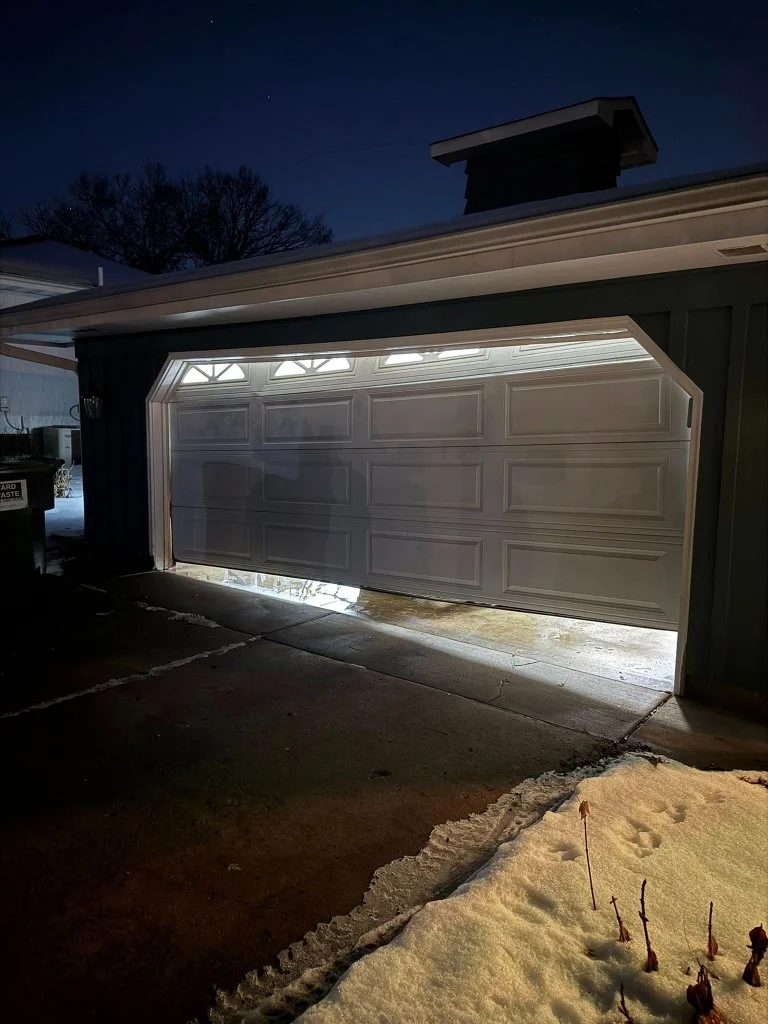
Torsion Spring vs Extension Spring: Which Does Your Garage Door Use
Most garage doors use either a torsion spring above the opening or extension springs along the ceiling tracks. Here is how to tell which system yours has, how each works, and what changes when one breaks.
-
Garage Door Hinge Replacement: Signs of Wear and What the Job Involves
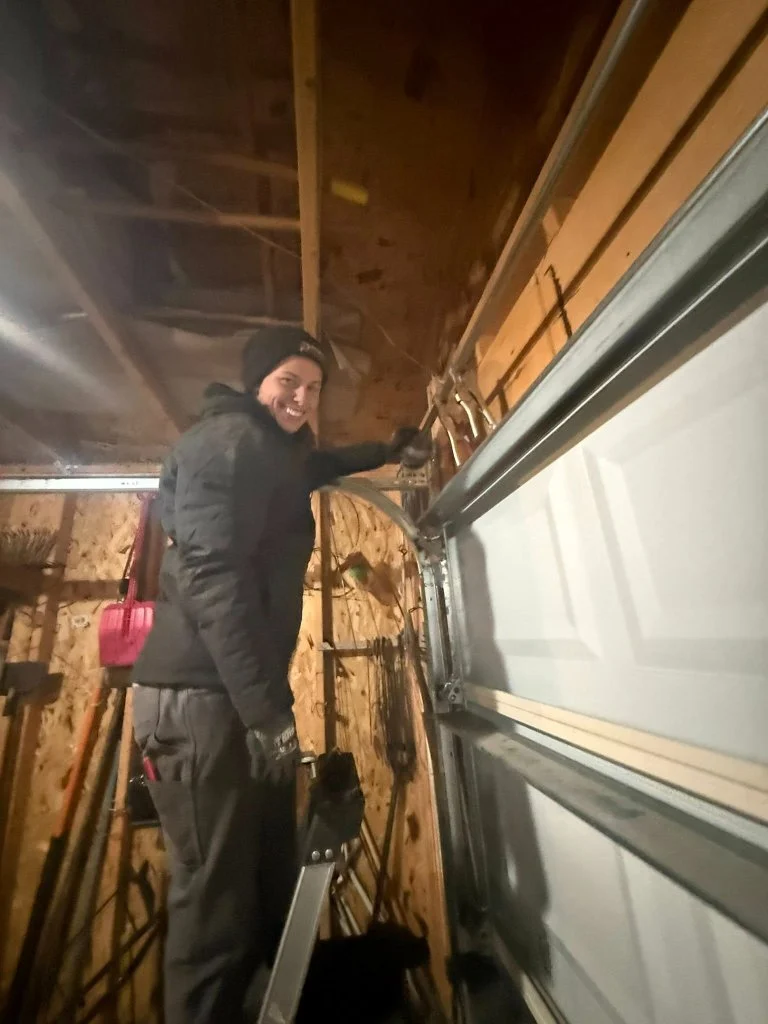
Worn garage door hinges cause banging, grinding, and sections that sit crooked. Here is how to spot a hinge that needs replacing, what the numbering system means, and what a replacement visit actually involves.
-
Garage Door Frozen Shut: How to Open It and Stop It Happening Again
A garage door frozen shut is almost always the bottom seal bonded to the slab by ice. Here are the safe steps to open it, what not to do, and five things that keep it from freezing again.
-
Garage Door Weatherstripping: When to Replace It and What to Look For
Garage door weatherstripping typically lasts 5 to 10 years, but cold winters and road salt shorten that in Minnesota. Here is how to tell when each type of seal has failed and what to do about it.
-
Garage Door Roller Replacement: When to Do It and What It Costs
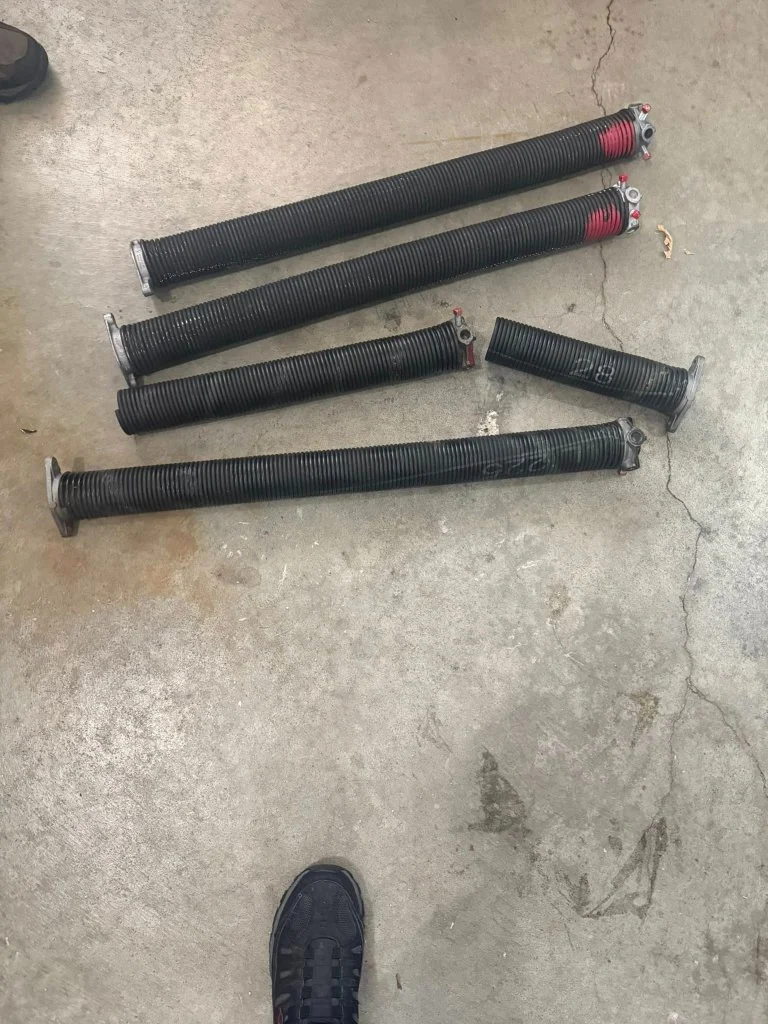
Worn rollers cause grinding, rough travel, and eventually an off-track door. Here is how to spot the signs, whether steel or nylon is the better choice for Minnesota winters, and what professional replacement costs in the Twin Cities.